
First off, it’s only fair to alert everyone that this review has potential political, cultural, and psychological triggers. I encourage everyone to read the review for its merit and understand everything mentioned is simply reflected in the film.
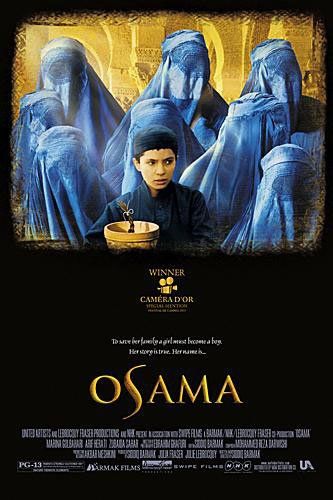
Having completed two tours in Afghanistan in my career, I felt it be only right to reflect on a film in honor of the anniversary of the U.S. withdraw. As I still have difficulty watching certain films that depict the war in Afghanistan, I chose to re-watch and review the first Afghan film broadly released after the U.S. entered Afghanistan in the wake of of the September 11, 2001 attacks. Written and directed by Siddiq Barmak, the film is titled “Osama”.
When one hears the title, they immediately assume it refers to UBL. However, that couldn’t be further from the truth. The film depicts the hardships, for women in particular, when Afghanistan was under Taliban rule prior to the U.S. War on Terror. The plot is centered around a nameless young girl who is forced to live as a boy with her widowed mother and her grandmother, since the Taliban did not allow women to work except for certain roles (like nursing). While posing as a boy, she’s forced to give her name, and her only ally in the ruse gives her the false name Osama. (COMMENT: don’t get your hopes up…..this isn’t a children’s version of Tootsie, The Birdcage, or To Wong Foo…)
As tough as it is to view the brutality of the Taliban, the film depicts it in a tasteful manner, securing a PG 13 rating. There’s no blood, no sexual acts, no cursing, etc. (COMMENT: Anyone noticing I didn’t list nudity, and is assuming that is because there is some….well, you need to read a crash course in Islam.) It’s obvious that abuse and difficult situations will occur throughout, but they don’t depict it.
There is a real sense of reality to the story. The film is almost filmed like a documentary. Almost. Not quite. There were moments where I thought the characters were talking directly to the cameraman and not just facing the camera. It was almost as though the audience is witnessing the events in the streets of Kabul. There is no score. Which makes perfect sense because the events are just a matter of reality. (COMMENT: This WAS reality, I should say. Because for all I know, the Taliban could be behaving a little bit more than they used to.) But of course, when everyone hears “Afghanistan, they can only think of the war.

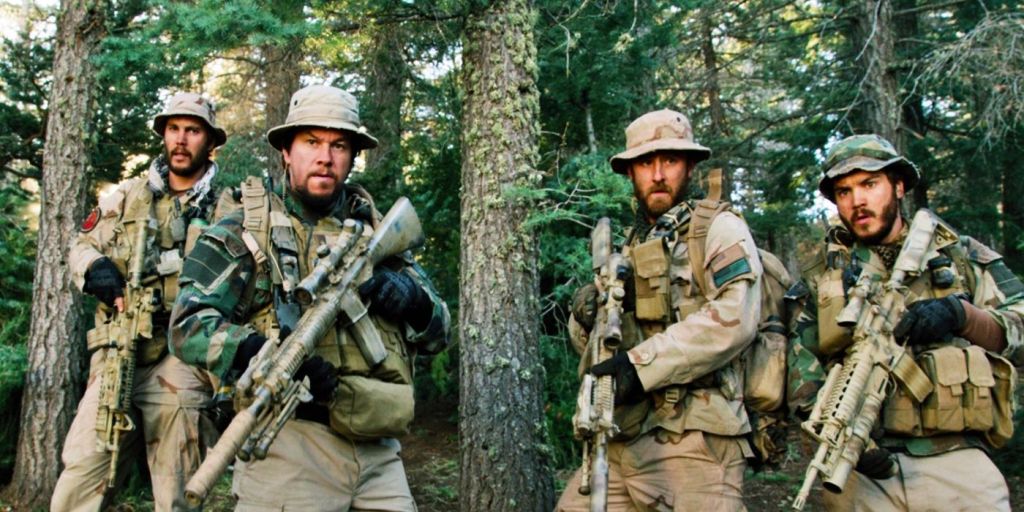
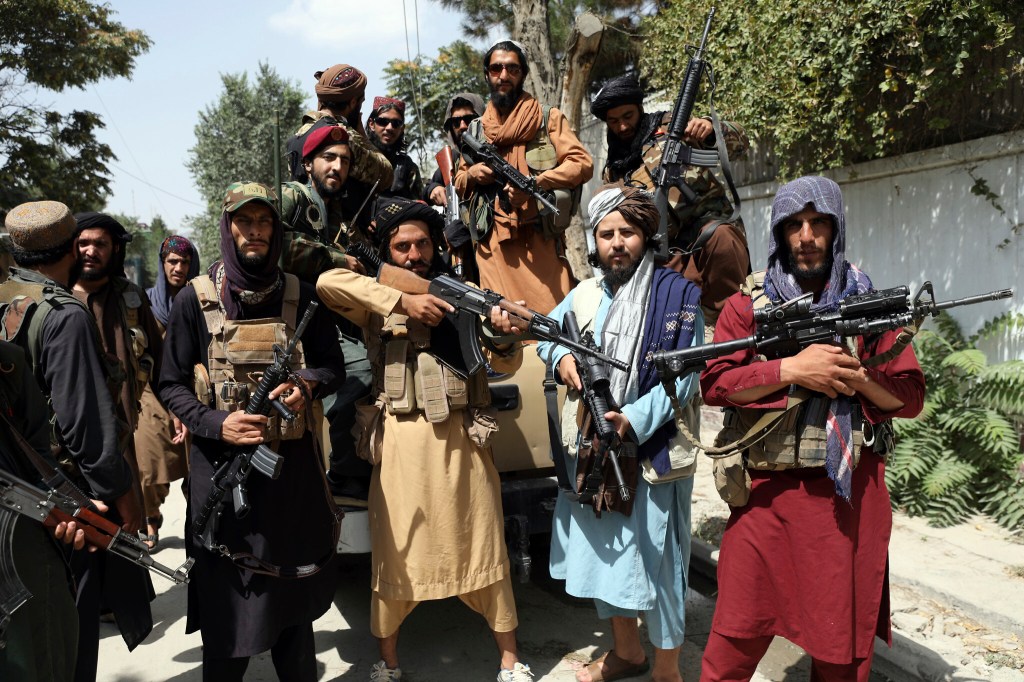
The film depicts Muslim culture under Taliban rule, which is to say, very strict adherence to Islamic beliefs. Not every muslim country in the region adheres to the same strict rules though. However, under the Taliban, it’s almost a cross between a prison and a cult. The film does depict this quite well. Women cannot show any part of their skin outside of the house. Men have to go through various cleansing rituals for prayer and very “personal” acts. When the Taliban find a wrongdoer, the accused is basically brought in front of a tribunal and has zero say in their defense. The “judge” passes his decision regarding sentence, then it is immediately carried out. (COMMENT: Picture a cross between Judge Dredd, The Crucible, and set during the times of Alexander the Great!) However, if caught, they would also hold anybody who helped responsible as well, thus keeping the population in line and not rising against.
So wait….why would I recommend a film that depicts the horrendous conditions under Taliban rule? It’s simple, really…I really appreciate the film for the depiction of Afghan culture. Afghan people are simple minded. They live day to day, and choose their occupations based on survival and how they can best serve their villages. It’s a lot like looking back in time in that region. Because of this, one can make the case that they’re susceptible to influence and can be ruled easily. I think the biggest takeaway about these people is there’s an unmatched camaraderie among them. We’ve all said “Misery loves company”, but the Afghan people take it to a whole other level. Think about it. This is a region that has only known warlords and empires. That being said, everyone in Afghanistan watches out for each other for survival and spiritual purposes.
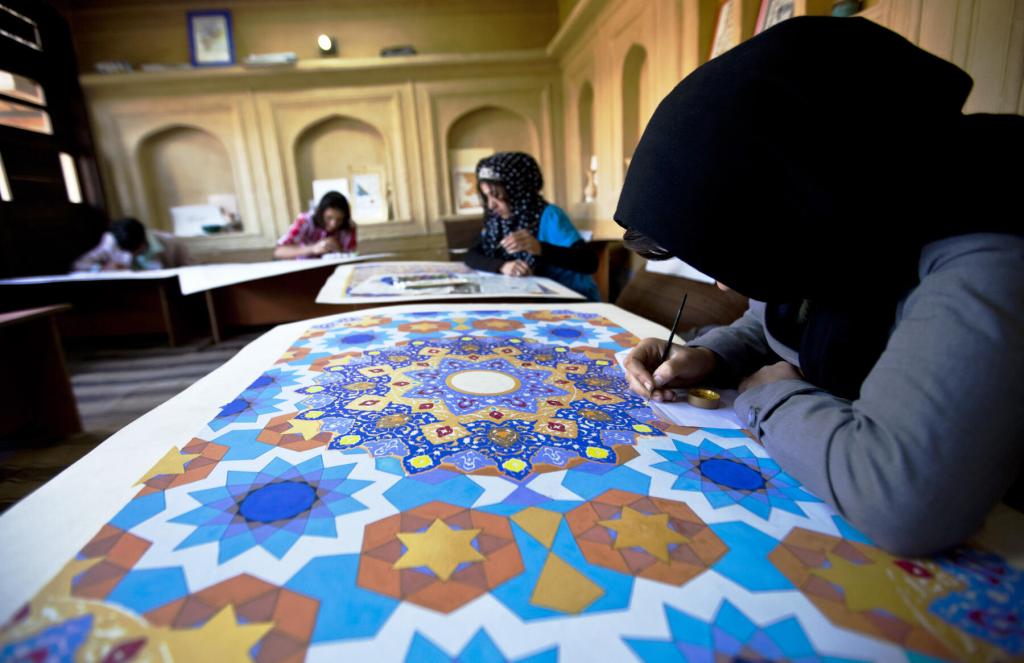
Osama paints an accurate portrayal of a culture that is very complicated. They’ve only known what is around them, and when foreigners come in and try to “assist”, they get tossed aside when it’s no longer convenient to maintain a presence. Many people do not understand this, especially in the western world. It is a nation of history. It is a nation that still lives in its history. Despite all of the hardships, the people of Afghanistan feel, think, and create like everyone else. “Osama” is a testament to what Afghan citizens are capable of.
 Positively Unapologetic Film Reviews
Leave a comment